Oliver Agricultural & Industrial Equipment Manuals
Restoring an Oliver tractor is more than a hobby; it is a commitment to preserving American agricultural history. From the classic "Row Crop" configurations to the heavy-duty Waukesha-based diesel units, these machines were built with unique engineering standards. To maintain or restore them correctly, guesswork is not an option. Our digital archive provides the exact technical data used by the original factory floor to ensure your equipment stays operational and period-correct.
Workshop Safety & Technical Disclaimer
The service documentation provided here is intended for professional technicians and experienced mechanics. Operating and repairing heavy agricultural machinery involves inherent risks, particularly when dealing with high-compression engines, pressurized hydraulic circuits, and heavy chassis components. By purchasing these documents, you acknowledge that RepairLoader provides original factory-source data for informational and reference purposes only. Always prioritize shop safety: use calibrated torque wrenches, wear appropriate PPE, and consult a certified master technician if you are unsure of specific clearance or pressure settings.
Authentic Technical Data: Direct OEM Reproductions
A successful restoration is only as good as the data behind it. Our collection consists of high-resolution, unaltered digital scans of the official factory-issue service literature. Unlike modern third-party summaries that often skip critical tolerances, these documents are faithful reproductions of the original Charles City engineering manuals. By using genuine manufacturer material, you ensure that every valve lash adjustment, gear mesh, and hydraulic setting meets the precise standards set by Oliver’s own engineers.
Comprehensive Mechanical Coverage
Our archive provides an exhaustive breakdown of Oliver equipment, covering both vintage icons and modern industrial workhorses:
- Engine & Power Systems: Full specifications for gasoline, LP-gas, and diesel powerplants—including precise injection timing, compression ratios, and fuel system calibration.
- Drivetrain & Over-Under Drive: Detailed layouts for complex gear patterns, differential assemblies, and specialized PTO configurations, including the "Over-Under Hydraul-Shift" systems.
- Hydraulics & Implementation: Factory schematics for "Hydra-Lectric" systems and auxiliary routing, essential for restoring full functionality to vintage implements.
- Chassis & Electrical: Original steering geometry, braking system diagrams, and clear wiring maps for both 6V and 12V electrical systems.
Instant High-Resolution Access
All manuals are delivered as secure, high-resolution PDF downloads. We have preserved the visual integrity of the original factory illustrations and exploded-view indices, ensuring they remain sharp whether viewed on a tablet in the shop or printed for a binder. Select your specific Oliver series—from the legendary 77 and 88 to the powerhouse 1850 and 2255 models—and get the authorized factory documentation you need today.
Oliver Manuals (8 total results)
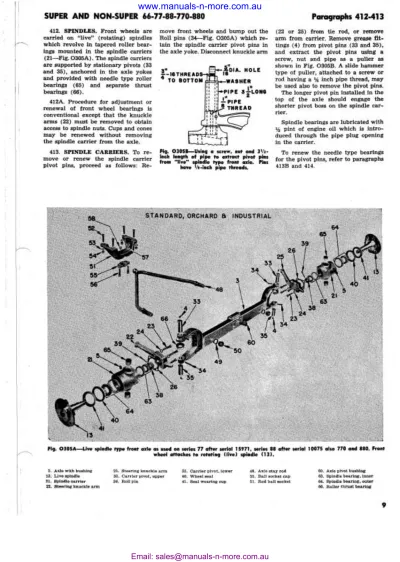
1947–1967 Oliver 66, 77, 88, Super 66–88, 770 & 880 Tractor Shop Manual (P/N C4077-90960)
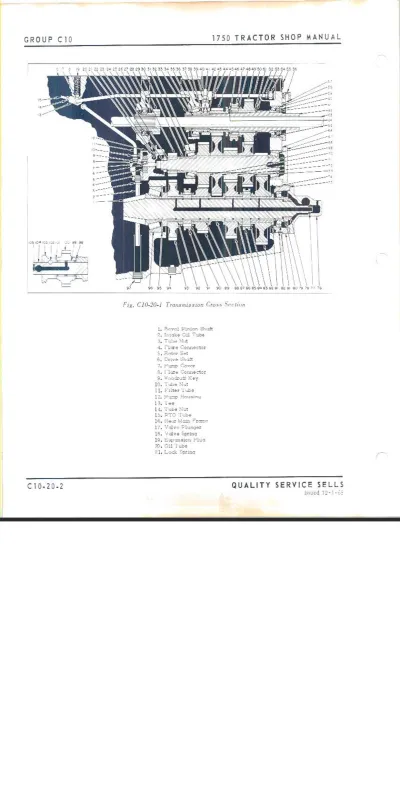
1966–1969 Oliver 1750 Row Crop / Utility / Wheatland / Four-Wheel Drive Tractor Shop Manual (OEM)
1966 Oliver 1550 / Cockshutt 1550 Tractor Shop Manual (P/N 432 512)
Oliver 1755, 1855, 1955 Tractors Service Manual (P/N DL-SM-3)
1955–1960s Oliver SUPER 55HC / SUPER 55 DIESEL / 550 HC / 550 DIESEL Tractor Shop Manual (Injection Pump P/N 1LS1701C)
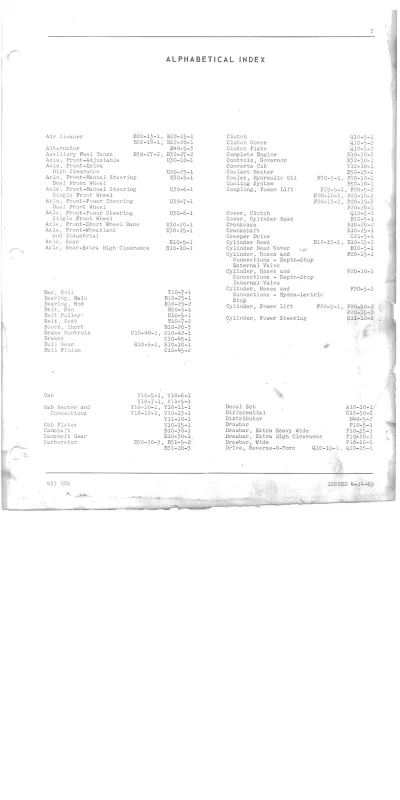
Oliver Cockshutt 1550 / 160 Series Tractors Parts Catalog (P/N 433 086)
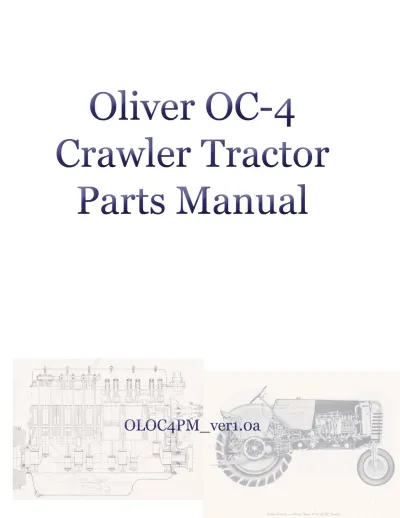
1959 Oliver OC-4 Crawler Tractor Parts Manual (P/N S6-9-102A)