1993–1996 Arctic Cat Tigershark / Monte Carlo / Montego Service Manual
271 Pages • 431.06 MB • Instant, Printable PDF


Arctic Cat Models Covered & Key Technical Specifications
Models: Arctic Cat Tigershark, Monte Carlo, Montego, Daytona, Barracuda
Sub-models / Variants: Montego Deluxe, Tigershark 900, 1st Run Monte Carlo, 2nd Run Monte Carlo, 2-Place Trailers
Model Years: 1993–1996
Serial Numbers: Montego: 0922–5076, Montego Deluxe: 0363–1421, Monte Carlo: 4054–5075, Daytona: ARJ00746J495
Technical Data:
- Engine models: PJ640-AC, PJ900-AC
- Displacement: 639 cc, 896 cc
- Cooling system: Liquid-cooled with forced water intake
- Spark plug gap: 0.7–0.8 mm (0.028–0.031 in)
- Fuel capacity: 43.5 L (actual), 38.9 L (rated)
- Charging system: 12V 105W
- Jet pump type: Axial flow single stage
- Maximum engine rpm: 6500–7000 rpm (model dependent)
- Ignition type: Digital CDI
Arctic Cat Manual Features & Content Preview
- Official 271-page technical publication covering the 1993–1996 Arctic Cat Tigershark, Monte Carlo, Montego, and Daytona models, including the Montego Deluxe and 900 performance variants
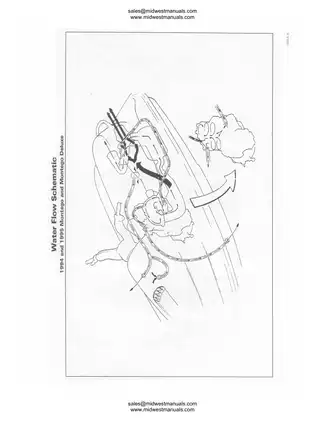
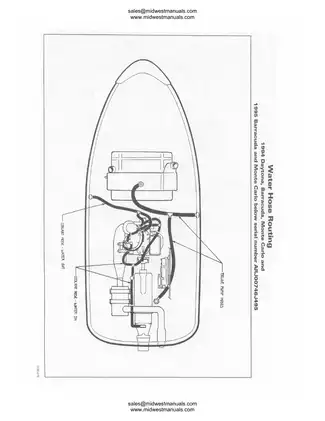
- Contains over 100 exploded-view component illustrations, water flow schematics, electrical wiring diagrams, and altitude-specific carburetor tuning tables
- Serves as the primary technical reference for the mid-nineties Tigershark series, detailing specific factory service bulletins for fuel systems and performance updates
Service and Engine Specifications
This manual outlines the mechanical specifications and maintenance requirements necessary to keep these watercraft running at peak performance. It details the complete engine assembly, fuel delivery architecture, and jet pump propulsion systems. Section 1 breaks down general identification protocols and critical storage preparation. Moving into the power plant, Section 2 covers engine removal procedures alongside crankcase disassembly steps and precise component tolerances. You will also find extensive carburetor and fuel system maintenance data in Section 3. This encompasses detailed jet sizing charts, needle settings, and pressure-testing protocols for the entire model lineup.
Technical Data and System Calibration
Precision is non-negotiable when servicing two-stroke marine engines. Component tolerances are meticulously documented throughout this guide, featuring exact clearance ranges for piston-to-cylinder walls and connecting-rod radial play. To ensure correct reassembly, the technical data provides specific torque values for mating the crankcase halves and tightening intake manifold hardware. For instance, crankshaft runout is capped at a strict 0.05 mm limit, while piston-ring end gaps must fall between 0.20 and 0.80 mm. The fuel pump diaphragm and inlet needle assembly instructions include clear identification marks to help align parts perfectly during bench service. Working on marine fuel systems and high-revving engines carries inherent physical risks; always verify your setup and maintain proper shop safety standards, or work alongside a certified marine technician to ensure reliable operation.
Customer Reviews
Read what our customers say about this Arctic Cat Personal-Watercraft-PWC manual and share your own experience.