Lexus Factory Service Manuals & Technical Data
Get the exact technical data you need for the entire Lexus lineup, from the flagship LS and RX series to high-performance F-Sport models. This digital library provides original factory service manuals, giving you access to the same specifications, wiring diagrams, and mechanical tolerances used by certified Lexus technicians. When it comes to luxury vehicles, using verified manufacturer documentation is the absolute foundation for safe and accurate service.
Modern Lexus vehicles rely on complex, tightly integrated systems—like Hybrid Synergy Drive (HSD) and Adaptive Variable Suspension (AVS). Because diagnostic trouble codes (DTCs), sensor calibrations, and electrical pinouts change frequently between generations and regional trims, guessing isn't an option. Having the exact factory documentation for your specific VIN range ensures every job meets rigorous Lexus standards.
These digital manuals give you the uncompromised data required for professional diagnostics and major overhauls:
- Powertrain & Hybrid Systems: Complete teardown sequences, exact torque specs, and strict diagnostic procedures for high-voltage hybrid batteries and inverters.
- Electrical & Control Systems: Clear wiring schematics showing CAN/LIN bus layouts, ECU pinouts, and sensor voltages for infotainment and Lexus Safety System+ networks.
- Chassis & Suspension: Factory baselines for air suspension calibration, steering geometry, and brake system tolerances.
- Verified OEM Source: All files are unmodified, factory-issued documents, ensuring the data you rely on is completely accurate and maintains the vehicle’s original safety ratings.
Select your specific Lexus model, engine configuration, and production year from the inventory below to instantly download your PDF service documentation.
Important Safety & Repair Disclaimer for Lexus Vehicles The factory repair documentation provided here is strictly intended for use by certified automotive technicians, professional mechanics, and highly experienced DIYers. Servicing complex Lexus systems—especially high-voltage hybrid drive components (HSD) and advanced driver-assistance systems (ADAS)—carries a significant risk of personal injury or vehicle damage. By accessing these files, you acknowledge that RepairLoader supplies this unmodified manufacturer documentation purely for educational and reference purposes. Always observe standard shop safety protocols, use the required specialized diagnostic tools, wear appropriate protective equipment, and consult a qualified professional if you lack the necessary expertise for any procedure.
Lexus Manuals (3 total results)
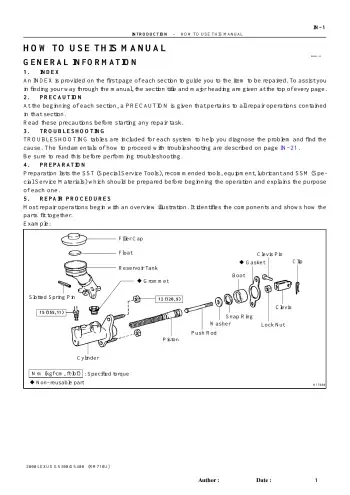
2000 Lexus GS300, GS400 Service Manual (P/N RM718U)
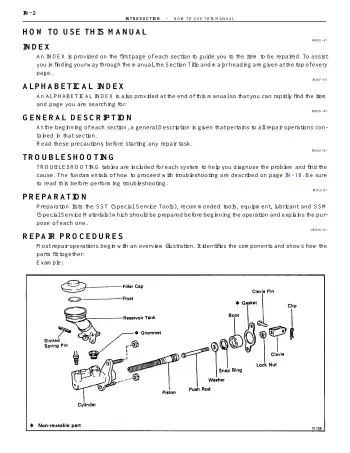
1991–1997 Lexus GS300 Service & Body Repair Manual Collection