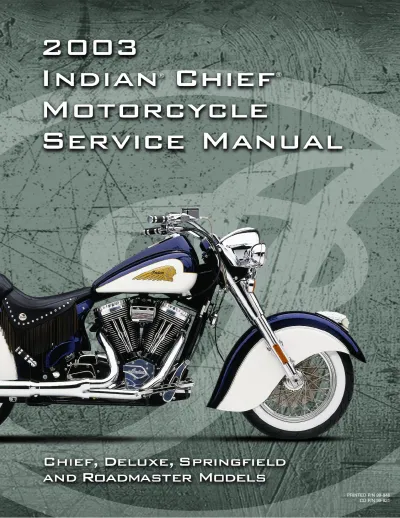
Indian Motorcycle Service Manuals & Workshop Data
To keep a machine as iconic as an Indian running to factory specifications, you need more than general advice—you need the original blueprints. This digital archive provides instant access to genuine factory-source documentation and official dealer service manuals. These are the same technical resources used by master technicians, covering every metric from vintage flathead clearances to the complex diagnostics of modern liquid-cooled V-twins.
Important: Model Identification Indian Motorcycle’s engineering has evolved significantly across different production eras. Before selecting your download, please verify your engine platform: the air-cooled Thunderstroke (111/116ci), the liquid-cooled PowerPlus (108ci), or the Scout drivetrain. Using data from the wrong production year for EFI mapping or valve lash settings can result in severe mechanical damage.
Indian Engineering by Generation
Our inventory is organized by chassis and engine platform to ensure you get the exact specifications required for your specific bike:
- Modern Heavyweights (Chief, Chieftain, Roadmaster): Factory data for the Thunderstroke platform, including Ride Command integration, rear-cylinder deactivation steps, and ABS routing.
- Mid-Size & Performance (Scout, FTR 1200): Comprehensive workshop specs for high-revving liquid-cooled engines, focusing on clutch tolerances, OHC timing, and inverted fork service.
- The PowerPlus Series (Challenger, Pursuit): Specialized files for the 108ci engine, including hydraulic valve lash adjuster data and frame-mounted fairing electronics.
- Heritage & Military Classics (741B, Vintage Chief, Powerplus): High-resolution digital scans of original parts catalogs and riders' instruction books for early 20th-century and WWII-era models.
High-Resolution Digital Delivery
When your motorcycle is on the lift, you need clear, legible data. All manuals are delivered as high-resolution, uncompressed PDFs. This allows you to zoom in on wiring schematics and exploded engine views on a tablet or laptop without losing detail. Every purchase includes a permanent download guarantee, ensuring your workshop library stays accessible for the life of your bike.
Professional Standards & Safety Disclaimer
The verified manufacturer documentation provided here is intended for individuals with professional mechanical aptitude. These files are digital versions of original manufacturer publications and are provided by RepairLoader for informational and reference purposes only. Servicing high-output engines and high-pressure fuel systems involves inherent risks. Always use the correct specialized tools, wear appropriate safety gear, and consult a certified technician if you are uncertain about any torque sequence or diagnostic procedure.
Use the search bar to enter your serial number or select your model year below for instant access to your factory-spec service documentation.
Indian Manuals (5 total results)
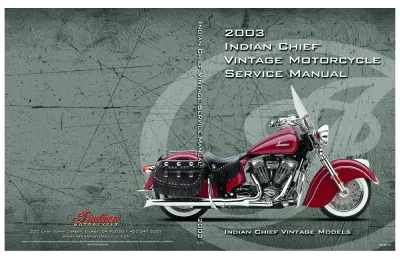
1999–2003 Indian Chief Service & Repair Manual (P/N 98-173)
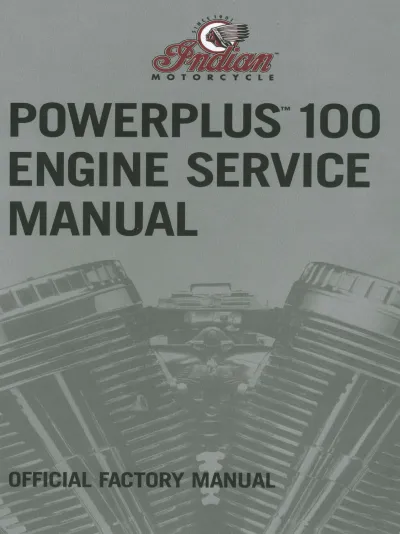
Indian Chief PowerPlus 100 Engine Service & Repair Manual
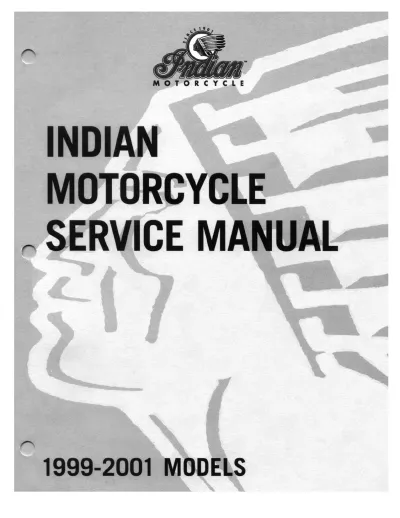
1999–2001 Indian Chief Service & Repair Manual
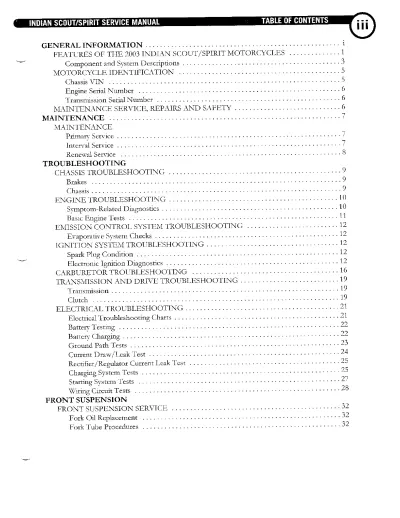
Indian Scout and Spirit 2003 Service Manual